Ask anyone who grew up on the water to describe what it feels like to be away from it for a long stretch and they'll tell you the same thing: wrong. Not homesick exactly, but off. Like something in the background that was always running quietly has stopped. People who haven't grown up coastal think this is sentiment. It isn't.
What the Research Shows
Researchers have a term for water environments — oceans, rivers, lakes, bays — that they call blue space. A significant body of work over the past decade has linked proximity to blue space with measurable improvements in mental health, stress levels, and general well-being. People who live within a mile of the coast report higher life satisfaction and lower rates of anxiety and depression than inland counterparts across comparable income levels.
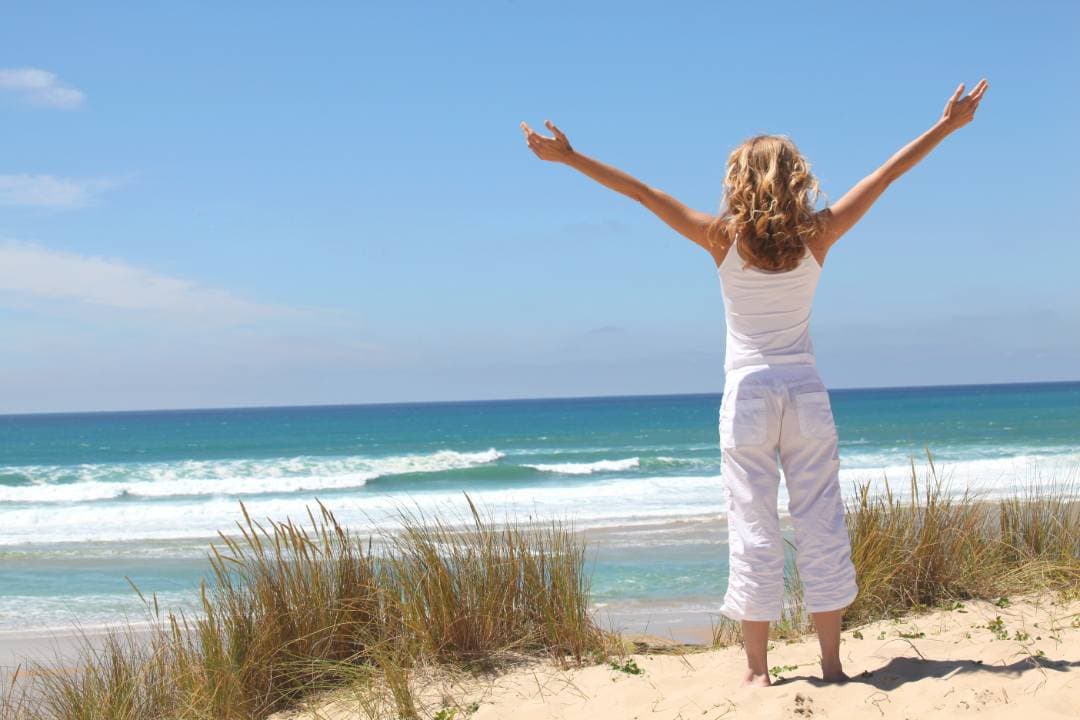
Some of this is the air. Coastal air carries a higher concentration of negative ions — charged particles generated by wave action — that some studies link to increased serotonin production. Some of it is the sound. The rhythm of waves has a demonstrable effect on the nervous system, slowing heart rate and reducing cortisol in ways that are measurable in controlled settings.
“You don't think about your problems at the water. They're still there when you leave. But for a while they weren't, and that matters.”
— A coastal regular
What Coastal People Already Know
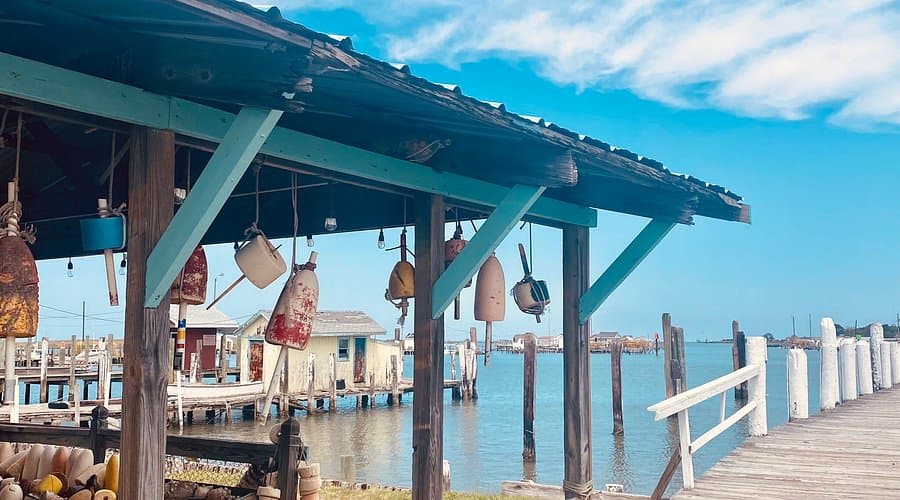
Before researchers named any of this, watermen and coastal communities had been practicing it for generations without needing the academic framing. You go to the water when something is wrong. You go to the water to celebrate. You go to the water to clear your head. The act of going — standing on a dock, walking a beach at low tide, watching a storm come in from the south — is itself a form of treatment that coastal people understand instinctively.
This is why coastal communities develop such strong identities around place. It's not just scenery. The water is genuinely doing something to the people who live near it, and they feel it whether or not they have words for it. The bond between a waterman and his bay, a surfer and his break, a fisherman and his creek — these aren't romantic constructs. They're real relationships with a physical environment that is actively shaping the people in it.
How to Get More of It
You don't have to live on the water to access this. Research shows that even short, regular visits to coastal or water environments produce lasting benefits. A weekend on the Bay. A morning at the beach before the crowds arrive. A kayak on the Nanticoke at sunrise. The dose matters less than the consistency. If you're landlocked, go find the nearest moving water and stand next to it for twenty minutes. Something in you will know what to do with it.